Staying active is crucial for maintaining overall health and well-being, regardless of physical limitations.
For individuals with limited mobility, finding suitable exercises can be challenging but not impossible.
Regular physical activity can improve cardiovascular health, strengthen muscles, enhance flexibility, and boost mental health.
Adapting exercise routines to fit specific needs and capabilities allows individuals with limited mobility to enjoy these benefits while minimizing the risk of injury.
Exercise Tips for Individuals with Limited Mobility
In this article, we will explore effective exercise tips for individuals with limited mobility.
Whether due to age, injury, or chronic conditions, these tailored activities can help maintain fitness and improve quality of life.
From seated exercises to water-based activities, discover how to stay active and healthy with these practical and adaptable exercise tips for individuals with limited mobility.
1. Focus on Seated Exercises
Seated exercises are a great way to stay active without putting strain on the joints or risking falls.
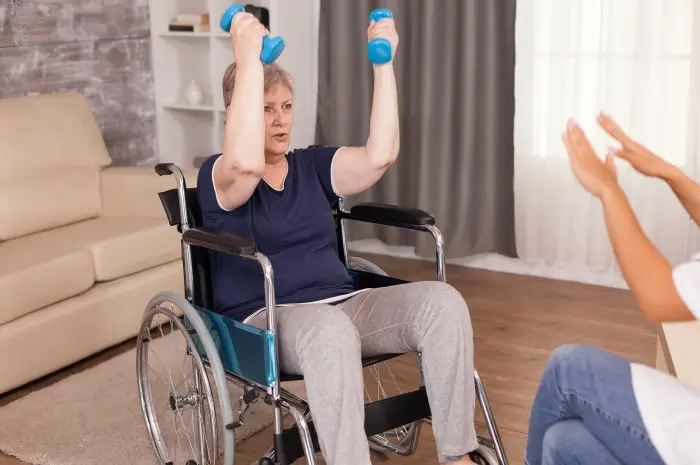
These exercises can be performed while sitting in a chair or wheelchair, making them accessible for individuals with limited mobility.
Simple movements such as seated marches, arm raises, and leg extensions can effectively improve strength and flexibility.
Using resistance bands or light weights can add intensity to these exercises, helping to build muscle strength and endurance.
2. Try Water-Based Activities
Water-based activities like swimming and water aerobics are excellent options for individuals with limited mobility.
The buoyancy of water supports the body, reducing stress on the joints and allowing for a wider range of motion. Water resistance also provides a gentle yet effective workout for muscles.
Many community pools offer adaptive aquatic programs designed specifically for people with mobility challenges, making it easier to find suitable classes and support.
3. Incorporate Stretching and Flexibility Exercises
Maintaining flexibility is important for preventing stiffness and improving overall mobility. Gentle stretching exercises can help keep muscles and joints limber.
Focus on stretching major muscle groups, such as the arms, legs, and back, holding each stretch for 20-30 seconds.
Yoga and tai chi are also excellent for enhancing flexibility and balance. There are many adaptive yoga and tai chi classes available that cater to individuals with limited mobility, offering modifications to traditional poses and movements.
4. Use Resistance Bands for Strength Training
Resistance bands are versatile and effective tools for strength training. They are lightweight, portable, and can be used to target various muscle groups.
For individuals with limited mobility, resistance bands can be used while seated or lying down.
Exercises such as bicep curls, shoulder presses, and leg presses can be easily adapted using resistance bands.
Start with a band that provides a comfortable level of resistance and gradually increase the intensity as strength improves https://www.katellkeineg.com.
5. Engage in Breathing and Relaxation Exercises
Breathing and relaxation exercises can help manage stress and improve respiratory function.
Deep breathing exercises, such as diaphragmatic breathing, can be performed anywhere and provide relaxation and mental clarity.
Combining deep breathing with gentle movements, like those found in chair yoga or tai chi, can enhance the overall benefits.
Practicing mindfulness and meditation can also improve mental well-being, reducing anxiety and promoting a positive outlook.
6. Participate in Adaptive Sports
Adaptive sports are designed to accommodate individuals with various physical limitations, providing opportunities for physical activity and social interaction.
Sports such as wheelchair basketball, adaptive tennis, and seated volleyball offer a fun and competitive way to stay active.
Many communities have adaptive sports programs and organizations that provide resources, equipment, and training for individuals with limited mobility.
Engaging in adaptive sports can boost confidence, build friendships, and improve physical fitness.
7. Prioritize Safety and Listen to Your Body
Safety is paramount when exercising with limited mobility. Always consult with a healthcare professional before starting any new exercise regimen.
They can provide personalized recommendations based on individual health conditions and capabilities.
It’s important to listen to your body and avoid pushing beyond your limits. If an exercise causes pain or discomfort, stop immediately and consult a professional.
Gradually increasing the intensity and duration of workouts can help prevent injuries and ensure a sustainable exercise routine.
By incorporating these exercise tips for individuals with limited mobility into your routine, you can enjoy the numerous benefits of physical activity while accommodating your unique needs.
Seated exercises, water-based activities, stretching, resistance training, breathing exercises, and adaptive sports offer diverse options to stay active and healthy.
Remember to prioritize safety, seek professional guidance, and listen to your body to create a fitness plan that enhances your quality of life and overall well-being.