


Blood pressure is a critical indicator of cardiovascular health, with consistent readings being a sign of a healthy heart and circulatory system.
However, many people experience sudden and unexplained blood pressure spikes that can be both alarming and confusing.
These unexpected increases in blood pressure can occur without any obvious triggers and may lead to a variety of health concerns if not properly addressed.
Understanding the causes and potential implications of these spikes is essential for maintaining overall health and well-being.
Understanding Unexplained Blood Pressure Spikes
In this article, we will delve into the phenomenon of unexplained blood pressure spikes, exploring the potential reasons behind these sudden changes and offering strategies to manage them effectively.
By gaining a deeper understanding of what causes blood pressure spikes, you can take proactive steps to monitor and control your blood pressure, reducing the risk of associated health issues.
1. Potential Causes of Blood Pressure Spikes
Unexplained blood pressure spikes can be attributed to a variety of factors, ranging from lifestyle choices to underlying health conditions.
One common cause is stress and anxiety, which can trigger the body’s “fight or flight” response, leading to a temporary increase in blood pressure.
Additionally, consuming excessive amounts of caffeine or alcohol, smoking, and a high-sodium diet can also contribute to sudden spikes.
Another potential cause is white coat syndrome, where blood pressure rises in a medical setting due to anxiety.
Hormonal fluctuations, such as those occurring during menopause or with thyroid imbalances, can also lead to unexplained blood pressure spikes.
Certain medications, including over-the-counter pain relievers and decongestants, can cause temporary increases in blood pressure as well.
2. Recognizing the Symptoms
It’s important to recognize the symptoms associated with blood pressure spikes to address them promptly.
Common symptoms include headaches, dizziness, shortness of breath, chest pain, and palpitations.
In some cases, individuals may not experience any noticeable symptoms, making regular monitoring of blood pressure crucial.
3. Monitoring and Managing Blood Pressure
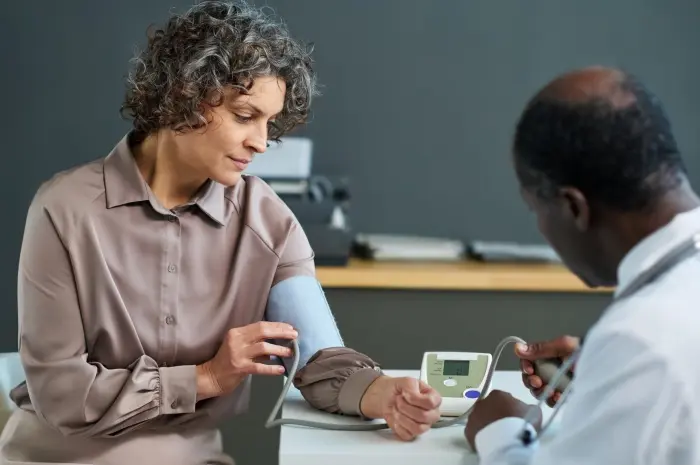
Regular monitoring is essential for understanding and managing blood pressure spikes.
Home blood pressure monitors can provide valuable insights into your blood pressure patterns.
Keeping a log of your readings, along with notes on diet, stress levels, and physical activity, can help identify potential triggers.
To manage blood pressure spikes, consider implementing lifestyle changes such as reducing sodium intake, limiting caffeine and alcohol consumption, and incorporating regular physical activity.
Stress management techniques, including meditation, deep breathing exercises, and yoga, can also help maintain stable blood pressure levels.
Additionally, maintaining a healthy weight and following a balanced diet rich in fruits, vegetables, and whole grains can significantly contribute to overall cardiovascular health.
4. When to Seek Medical Advice
While occasional blood pressure spikes can be managed with lifestyle modifications, it’s important to seek medical advice if you experience frequent or severe spikes.
Persistent high blood pressure can increase the risk of heart disease, stroke, and other serious health issues.
A healthcare provider can perform a thorough evaluation to determine the underlying cause and recommend appropriate treatment options.
5. Understanding the Role of Medication
In some cases, medication may be necessary to manage blood pressure spikes.
Antihypertensive medications can help control blood pressure and reduce the risk of complications.
If prescribed medication, it is essential to take it as directed and to follow up with your healthcare provider regularly to monitor its effectiveness and adjust the dosage if needed.
Understanding unexplained blood pressure spikes is crucial for maintaining cardiovascular health and preventing potential complications.
By recognizing the potential causes, monitoring your blood pressure regularly, and making lifestyle changes, you can effectively manage and reduce the occurrence of these spikes.
If you experience persistent or severe blood pressure spikes, seeking medical advice is essential to address any underlying health conditions and to receive appropriate treatment.
Through proactive management and awareness, you can take control of your blood pressure and promote long-term health and well-being.


